Winter pickles in Assam are less about a special recipe and more about timing: the cold, dry months bring bogori (Indian jujube) to the market, mustard to the fields and steady sunshine for drying fruit, so this is when many Assamese homes make their achar and open new jars. One writer on Assamese food notes that the big pickle jars come out “mostly during the winter months” [1]. Here is why, and which pickle goes with which winter meal.
Quick facts
- Winter fruit for pickling: bogori (ber or Indian jujube, Ziziphus mauritiana) is harvested in Assam in January and February [2].
- The pickle base: rapeseed-mustard is a rabi (winter) crop in Assam, sown from mid-October to mid-November, and its seed and oil go into pickles [3].
- Scale: Assam grew rapeseed-mustard on about 3.2 lakh hectares in 2022-23, per state figures quoted by Assam Agricultural University [3].
- Dry weather: normal rainfall across Assam is just 11.8 mm in December and 16.2 mm in January, against more than 2,000 mm a year [4].
- Other winter achars: ou tenga (elephant apple) and jolphai (Indian olive) are pickled when the fruit is plentiful [1][5].
Why do Assamese homes make pickles in winter?
Because winter puts the three things a pickle needs in one place: fresh fruit, mustard and dry sunny days. Each one has its own season, and in Assam they overlap from roughly December to February.
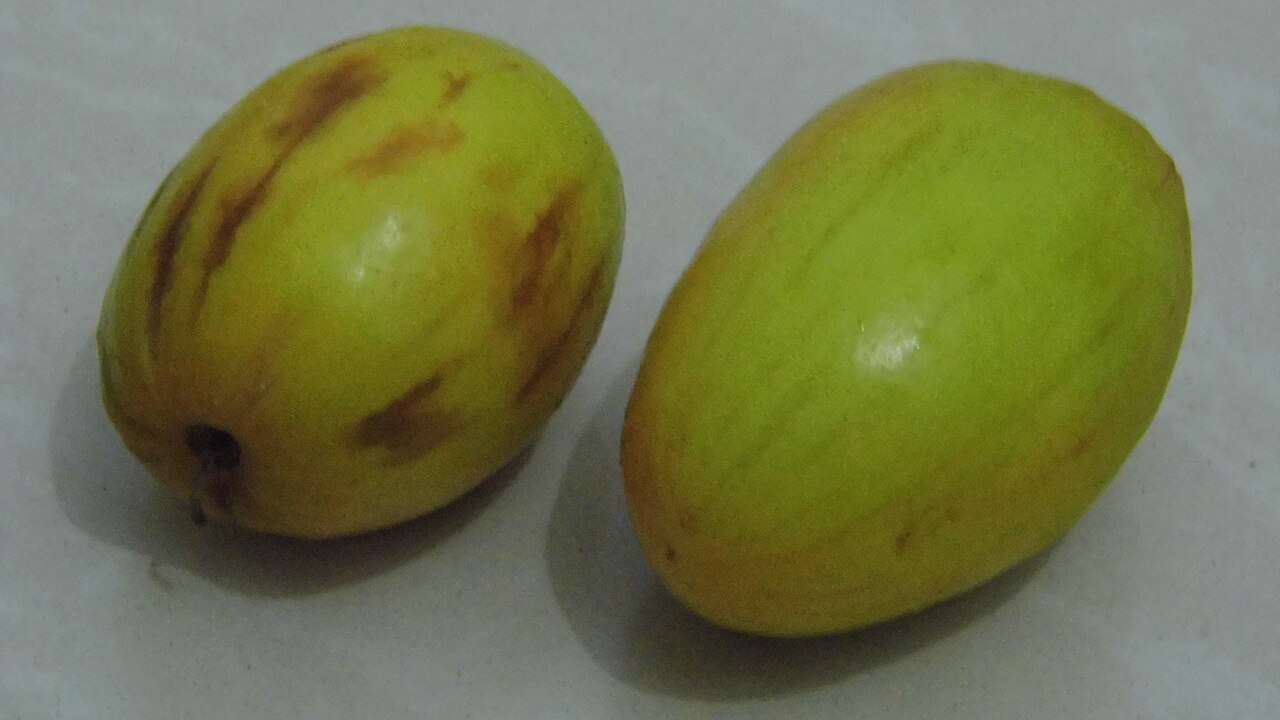
Winter follows the main rice harvest, and food writers describe it as the time when granaries and kitchen gardens are full [7][8]. Bogori ripens then: Assam’s official horticulture package of practices says ber is picked when the fruit turns yellow, in January and February, over four or five pickings [2]. That is why a bowl of bogori, plain with salt or turned into achar, feels like a winter thing to most Assamese children.
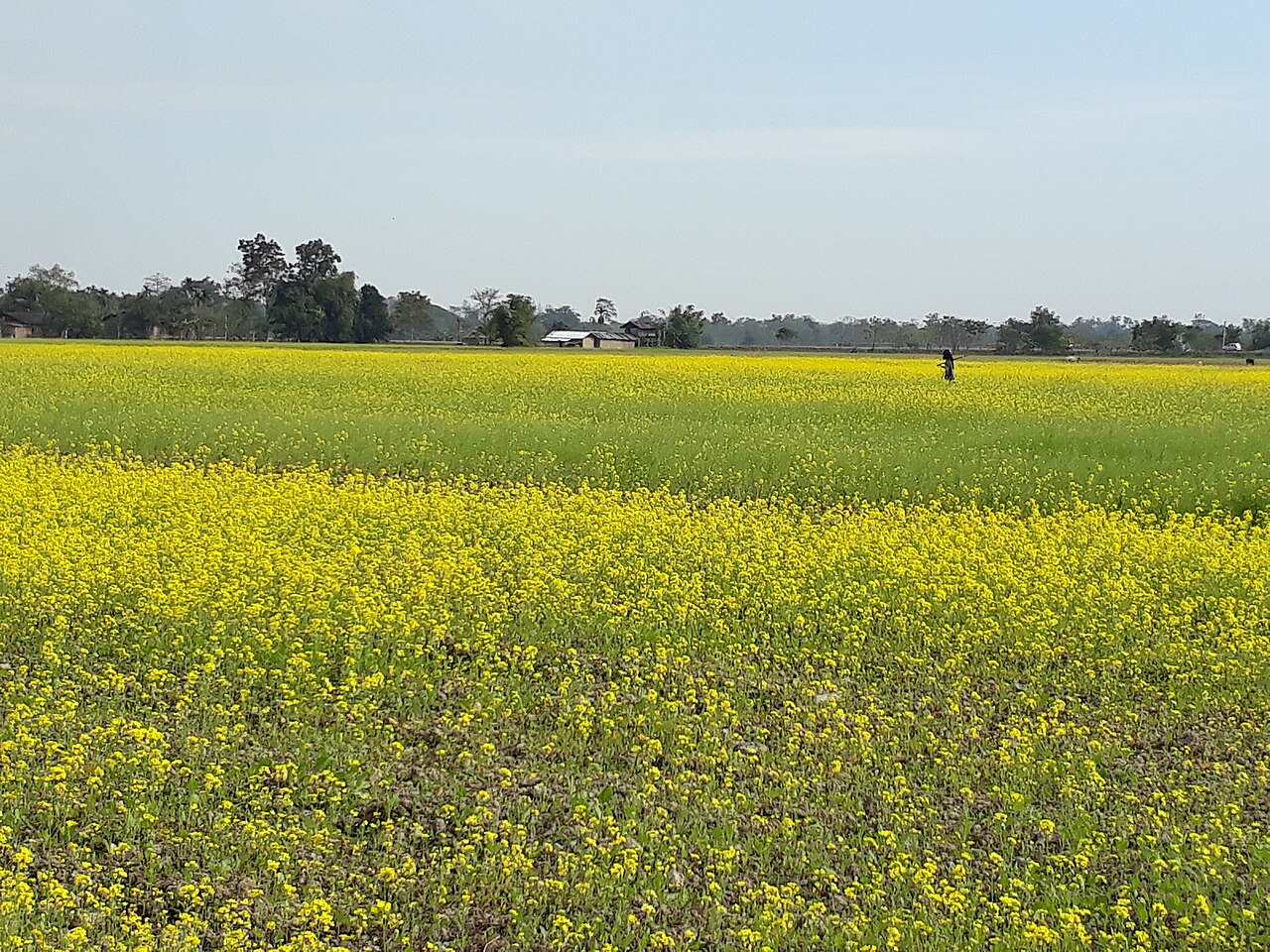
Mustard is the second piece. Assamese pickles are built on mustard oil and whole mustard seed, and rapeseed-mustard is by far the state’s biggest oilseed crop, grown in the rabi (winter) season [3]. The seed is sown after the rains, which is why winter fields across the Brahmaputra valley turn bright yellow with mustard flowers.
Why does dry winter weather matter for pickling?
Most home pickles start with drying the fruit in the sun, and that is easiest when it hardly rains. Cooks across India stress that fruit and vegetables must be dried well before they go into oil, and they often leave the filled jar in mild sun for a few days [10].
Assam gets more than 2,000 mm of rain in a normal year, but very little of it falls in winter. State climate data based on India Meteorological Department records puts normal rainfall at 11.8 mm in December, 16.2 mm in January and 32 mm in February [4]. For ou tenga, the usual method is to sun-dry the pieces and then keep them soaked in mustard oil with spices [5]. Try that in July and the fruit simply won’t dry.
The rest of India follows the same calendar. North Indian homes make gajar-gobhi-shalgam (carrot, cauliflower and turnip) achar in winter, and Kashmiri cooks sun-dry radish for theirs [11]. Assam’s version just uses different fruit.
Which winter pickles do Assamese homes make?
Bogori is the signature winter pickle, alongside ou tenga, jolphai and whatever the kitchen garden has in surplus. Here is how each is usually made, based on written accounts:
- Bogori achar (Indian jujube): made two ways. The savoury one uses coriander, cumin, fennel, dried chilli, pepper and turmeric in mustard oil; the sweet one adds jaggery and panch phoron [1].
- Ou tenga achar (elephant apple): a sour fruit that Assamese homes preserve when it is plentiful, by sun-drying it and soaking it in mustard oil with spices [5]. Young fruit also goes into a sweet-sour chutney with jaggery [5].
- Jolphai achar (Indian olive): sources disagree on its exact season, which we unpack in our guide to jolphai, the Indian olive.
- Omora and kothal: hog plum and jackfruit pickles are also part of the Assamese achar shelf [1].
For a fuller tour of every jar on that shelf, read our Assamese pickle guide.
Which pickle goes with which winter meal?
Match the pickle to the meal: sweet pickles with snacks and jolpan, sour ones with fish, and fiery ones with rice, dal and pork. These pairings come from our own kitchens, not from a rulebook, so treat them as suggestions.
The everyday Assamese meal starts with khar and ends with tenga, the sour curry [6]. Winter adds its own dishes. Mustard greens (xorioh or lai xaak) are in season [6][7], and pork cooked with lai xaak is a classic winter dish [7]. Duck with ash gourd is described by Assam Tourism as “a classic Assamese winter delicacy” [6]. Colocasia leaves and methi with dried thekera show up on winter plates too [8].
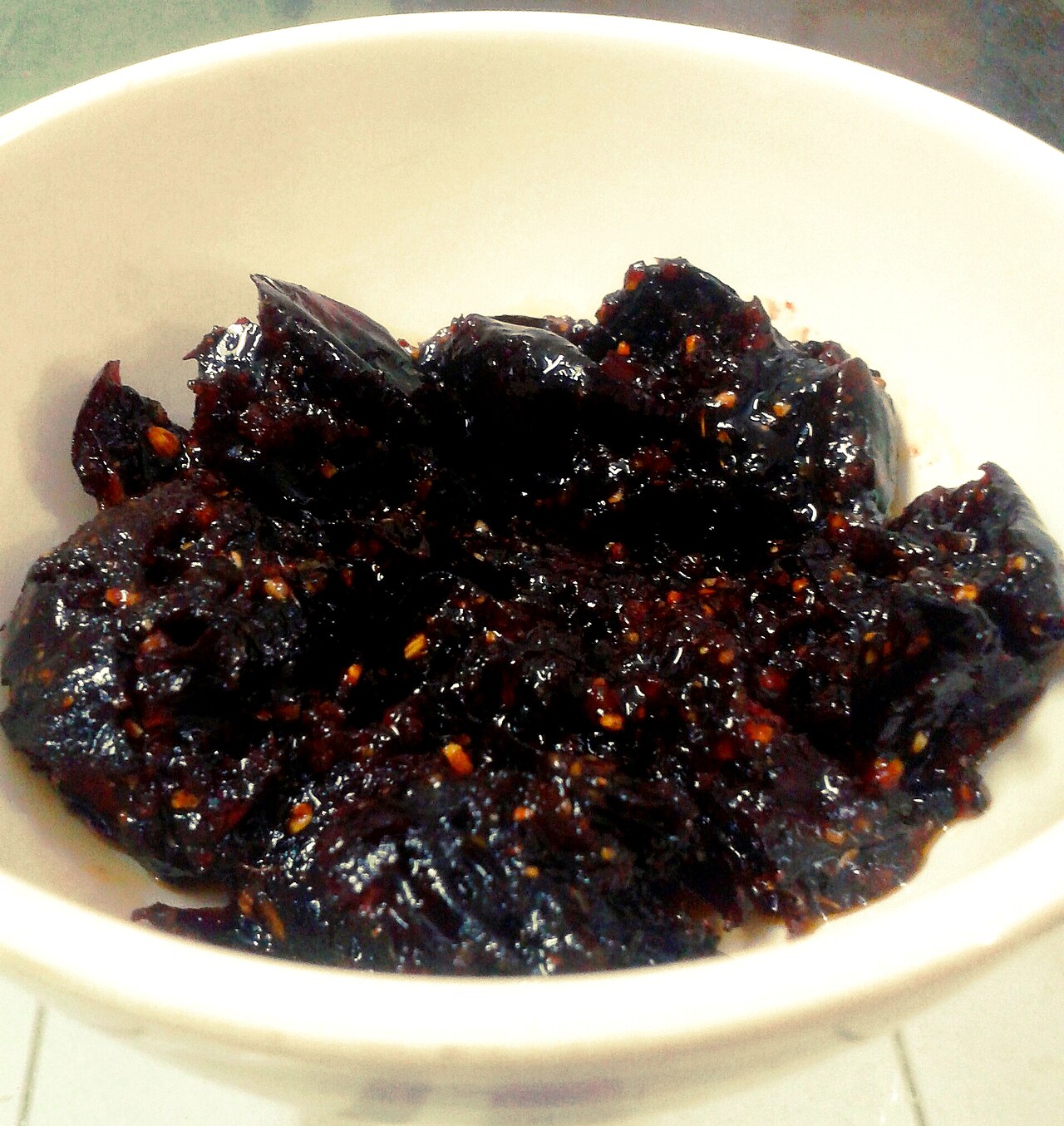
- With jolpan and pitha: Magh Bihu in mid-January brings til pitha, laru and jolpan such as komal saul, chira and curd with jaggery [9]. In our homes a sweet pickle like Meetha Bogori, which is made with jaggery and black pepper, sits next to them.
- With rice, dal and greens: a little Khorisa (bamboo shoot) pickle lifts a plain winter thali. Its label lists bhoot jholokia, so start small.
- With pork, duck or fish curry: Original Bhoot Jholokia pickle is for heat lovers; the Mild Bhoot Jholokia Mustard Paste is gentler.
- With parathas and Sunday breakfasts: Aam (mango) or Jolphai for a tangy bite.
Are pickles good for you in winter?
There is no good evidence that pickles keep you warm or protect you from winter illness, so we make no health claims for them. Some chefs say a little pickle helps when appetite dips in the cold [10], and some food writers say pickles “provide warmth” [11]. These are opinions and traditions, not research.
What is true is that pickles contain salt and oil, so they are a condiment: a spoonful with a meal, not a side dish. If your doctor has asked you to watch salt, follow that advice.
Taste it
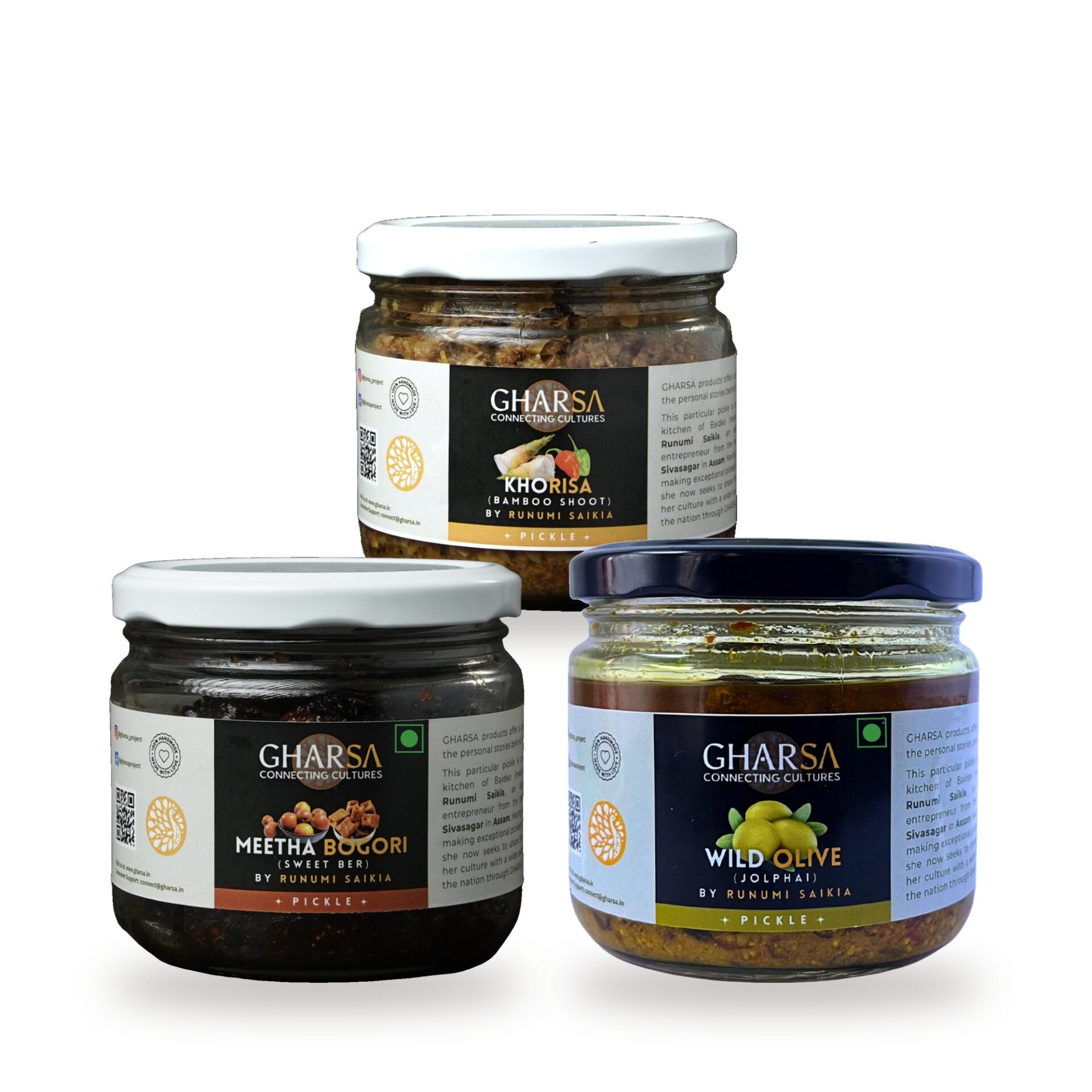
No time to sun-dry bogori this winter? Our Taste of Assam box brings three customer favourites from Assam: Khorisa (bamboo shoot), Meetha Bogori and Jolphai. Prefer heat? Try the Spice Lovers Box.
Frequently asked questions
Why are pickles made in winter in Assam?
Winter brings fresh produce after the rice harvest, including bogori, which Assam’s horticulture guide says is picked in January and February. Mustard, the oil and seed behind most Assamese pickles, is a winter crop. December to February are also Assam’s driest months, which makes sun-drying fruit before pickling much easier.
Which Assamese pickles are best in winter?
Bogori (Indian jujube) pickle is the classic winter one, made sweet with jaggery or savoury with spices. Ou tenga (elephant apple) and jolphai (Indian olive) are also pickled when plentiful. With winter meals, a sweet pickle suits pitha and jolpan, while bamboo shoot or bhoot jolokia pickle suits rice, dal and meat curries.
Can pickle be eaten daily in winter?
Pickle is a condiment, so most Assamese homes eat a spoonful with a meal rather than a large serving. Pickles contain salt and oil, so if your doctor has asked you to limit salt, follow that advice. The idea that pickles warm the body in winter is tradition, not something research has shown.
How should I store pickle in winter?
Keep moisture out: use a clean, dry spoon and close the lid tightly after each use. Home cooks dry fruit thoroughly before pickling for the same reason, and some leave new jars in mild winter sun for a few days. For a shop-bought jar, follow the storage instructions printed on its label.
Image credits
- Mustard field in Lakhimpur, Assam (featured image): Joli, CC BY-SA 4.0, Wikimedia Commons.
- Bogori (Indian jujube) fruit: Sridhar Rao, CC BY-SA 4.0, Wikimedia Commons.
- Bogori achar: Meghmala Choudhury, CC BY-SA 4.0, via Wikimedia Commons.
- Taste of Assam box: GHARSA.
Sources
- Forget Bamboo Shoot: Indulge In These Delicious Assamese Pickles (Reema Gowalla, updated 6 Dec 2022), Slurrp. slurrp.com
- Package of Practices for Horticultural Crops of Assam, 2021: Ber, hosted by KVK Chirang, Assam Agricultural University. kvkchirang.aau.ac.in
- Oilseeds: Rapeseed and mustard, Rice and Crop Specific Knowledge Bank (RCSKB), Assam Agricultural University. rkbassam.aau.ac.in
- Chapter 5: Climate (Climate in Assam, 2016; data from IMD Regional Meteorological Centre Guwahati via the Directorate of Agriculture), Government of Assam. transdev.assam.gov.in
- A Guide to Ou Tenga: The Elephant Apple Delicacies from Assam (DE News Desk, 28 Aug 2020), Discover East. discovereast.in
- Culinary Treasures of Assam, Assam Tourism Development Corporation. assamtourism.gov.in
- An Assamese Winter Feast (Sona Bahadur, 4 Dec 2015), India Food Network. indiafoodnetwork.in
- 5 delicious and nutritious dishes of Assam to try in winter (4 Jan 2025), Northeast Now. nenow.in
- The culinary traditions of Magh Bihu in Assam (Dipak Kurmi, 10 Jan 2026), The Sentinel. sentinelassam.com
- Winter in a jar: Taking a look at these scrumptious seasonal pickles (Nasrin Modak, updated 20 Jan 2022), Slurrp. slurrp.com
- Have You Tried These 7 Winter Pickles From Across India? (Suprita Mitter, updated 25 Jan 2025), Slurrp. slurrp.com