
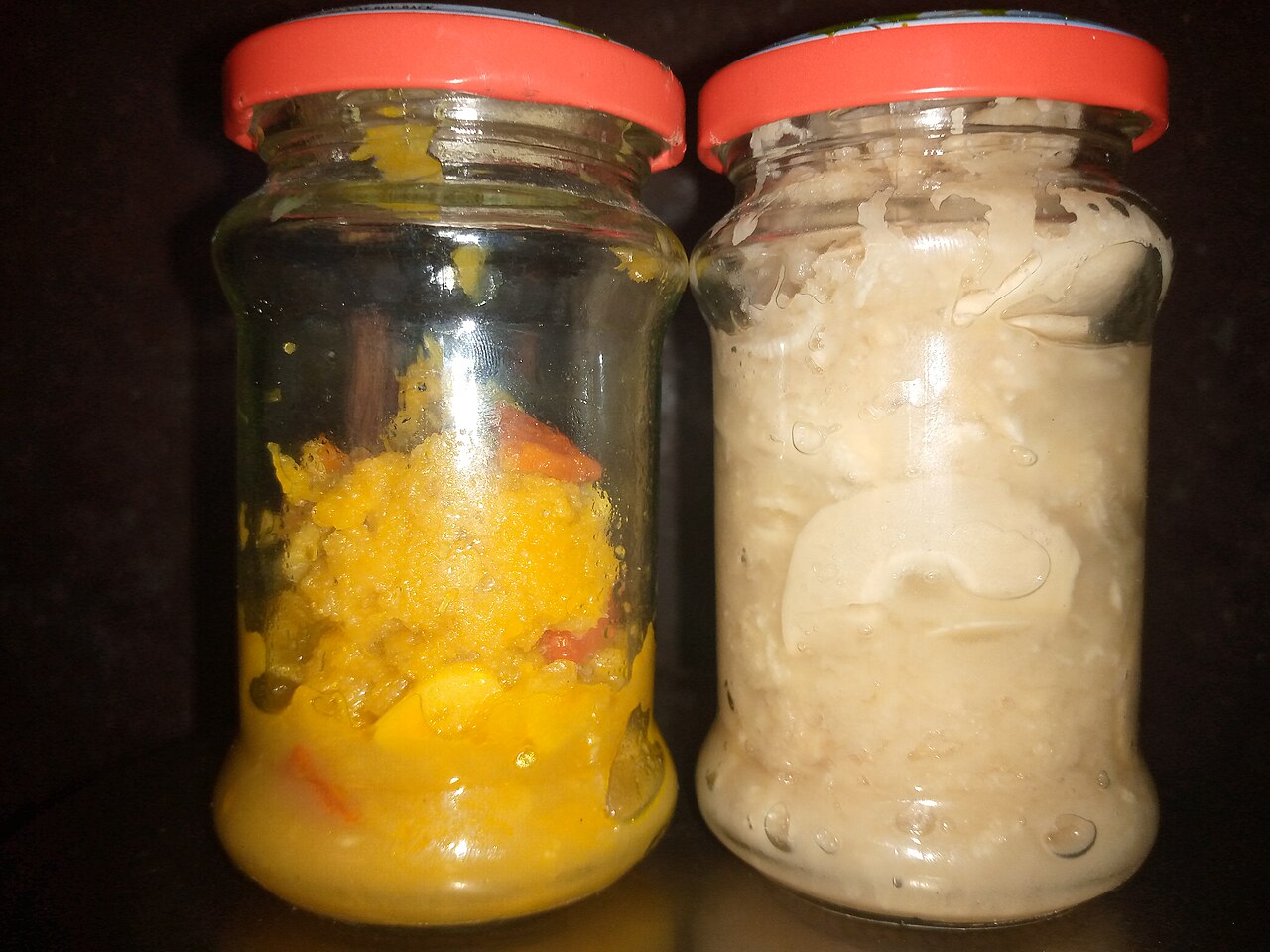
Khorisa is Assam’s fermented bamboo shoot, and bamboo shoot pickle is what you get when the shoots are cooked with mustard oil, chilli and spices. Tender shoots are grated or sliced and left to turn sour for several days, which gives khorisa its tangy taste and its famously strong smell. In Assamese homes it goes into fish curries, meat dishes and, of course, the pickle jar.
Ask anyone from the Northeast who studied in another city about bamboo shoot and you will hear the same story: a jar opened in the hostel room, a friend wrinkling their nose, and the question “Yeh kya hai?” This guide answers that question properly.
Quick facts: khorisa
- Local name: khorisa (Assamese), fermented bamboo shoot. Mashed, it is called khorisa tenga.
- Region: Assam, with related fermented bamboo shoots in all Northeast states.
- Bamboo used: often Bambusa balcooa and Dendrocalamus hamiltonii (Santosh et al.).
- Fermentation time: traditionally about 4–12 days (Santosh et al.); a 2014 lab study used 12 days (Badwaik et al.).
- Season: fresh shoots are most available from June to October (NIFTEM).
- Key figure: the Northeast holds more than 66% of India’s bamboo species (NIFTEM).
What is khorisa, and how is it different from fresh bamboo shoot?
Khorisa is bamboo shoot that has been fermented until it turns sour; fresh bamboo shoot has not. A 2014 study in Food Science and Technology Research describes khorisa as a traditional fermented bamboo shoot product of Assam and notes that it is used in meat and fish dishes and in pickles [2].
The shoots are young and tender, cut before they harden into cane. Fresh shoots have a short shelf life [1]. Fermenting, drying and pickling are the traditional Northeast ways of keeping them for longer; some fermented shoots are stored for months [3].
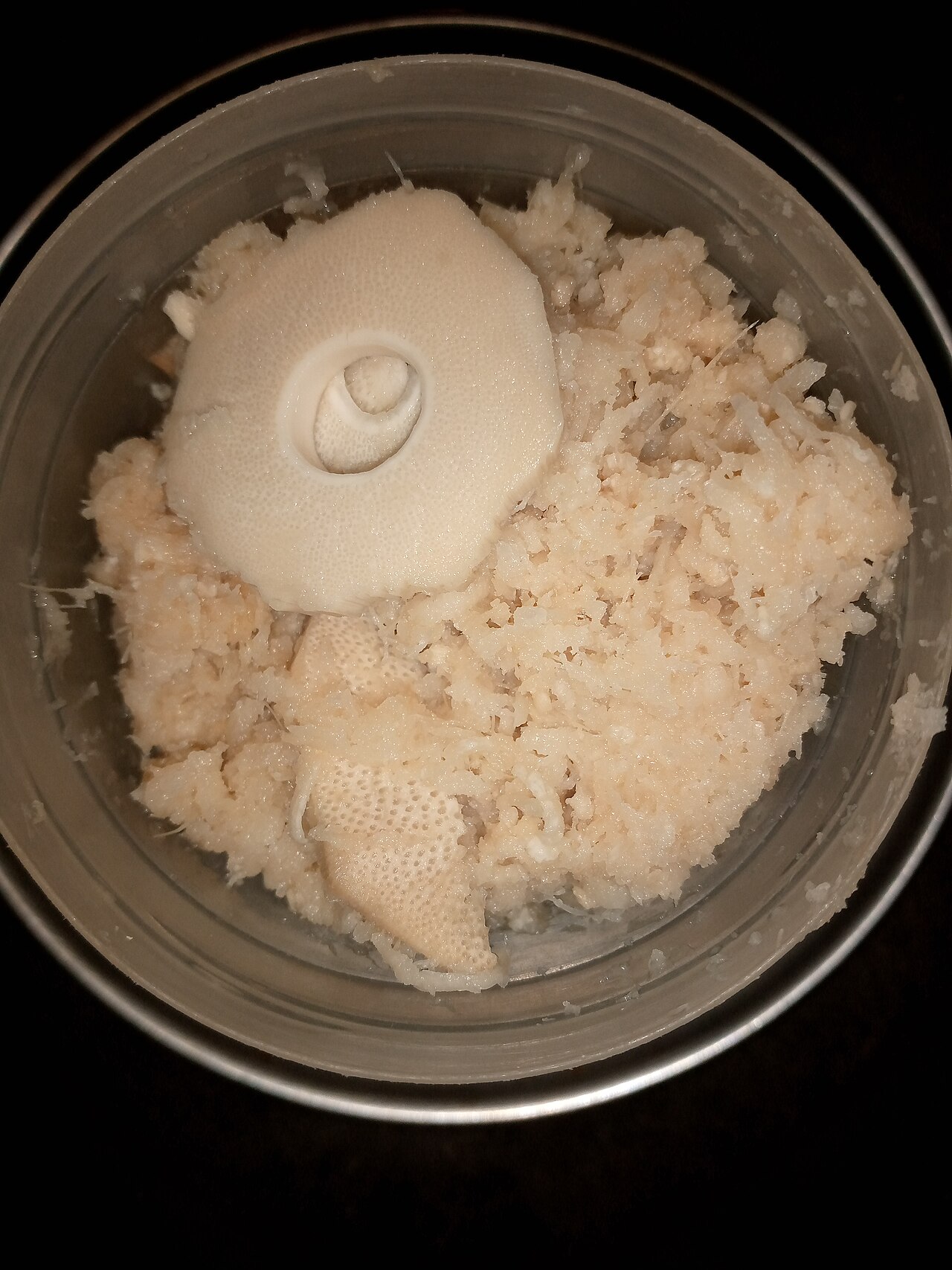
How is khorisa made in Assam?
Traditionally, the shoots are packed tightly into a container with no air and left to sour for a few days. A review presented at the World Bamboo Congress describes the Assamese method: shoots are mixed with dried thekera (Garcinia pedunculata, a sour forest fruit) and dried chillies, packed in a smoked earthen pot wrapped in banana leaves, and fermented for about 4 to 12 days [3].
Science explains what happens inside the pot. In the 2014 study, researchers from Assam grated Bambusa balcooa shoots from Nagaon district and packed them in jars for 12 days at 32°C. Lactic acid bacteria multiplied, and the pH fell from 6.40 to 4.52; with a little dried thekera added, it fell further to 4.09 [2]. That rising acidity is the sourness you taste. The same study found that Salmonella and Shigella present in the fresh shoots were no longer detected by day 8, which the authors linked to the falling pH [2]. This was a lab study in clean jars, not a village kitchen.
Why does bamboo shoot pickle smell so strong?
The smell comes from fermentation. As bacteria break the shoots down, they produce sour and pungent aroma compounds, and that mix is what fills the room when a jar is opened.
Scientists do not fully agree on which compound matters most. A 2023 study of fermented bamboo shoots from China, published in Foods, cites earlier research naming p-cresol as a typical compound of sour bamboo shoots, but its own samples did not contain it; there, a compound called 2,4-dimethylbenzaldehyde contributed most to the sour odour [4]. The authors put the difference down to the type of bamboo and the fermentation conditions [4]. So khorisa from Nagaon may not smell like a sour shoot from Sichuan.
How do Assamese homes eat khorisa?
Khorisa goes into curries, mashes and pickles. Wikipedia’s overview of Assamese cuisine lists fermented bamboo shoot among the signature ingredients of Assamese meat and fish dishes [5]. Three everyday uses:
- Khorisa maas (fish with bamboo shoot). A fish curry made with grated khorisa [3]. Fish cooked with khorisa tastes sour, but it is not called a tenga (sour curry) [5].
- Khorisa tenga. Mashed fermented bamboo shoot, sometimes pickled in mustard oil and spices [5].
- Meat with bamboo shoot. Khorisa is widely used in meat preparations as well as fish [2]; chicken or pork with bamboo shoot is the dish many of us grew up on.
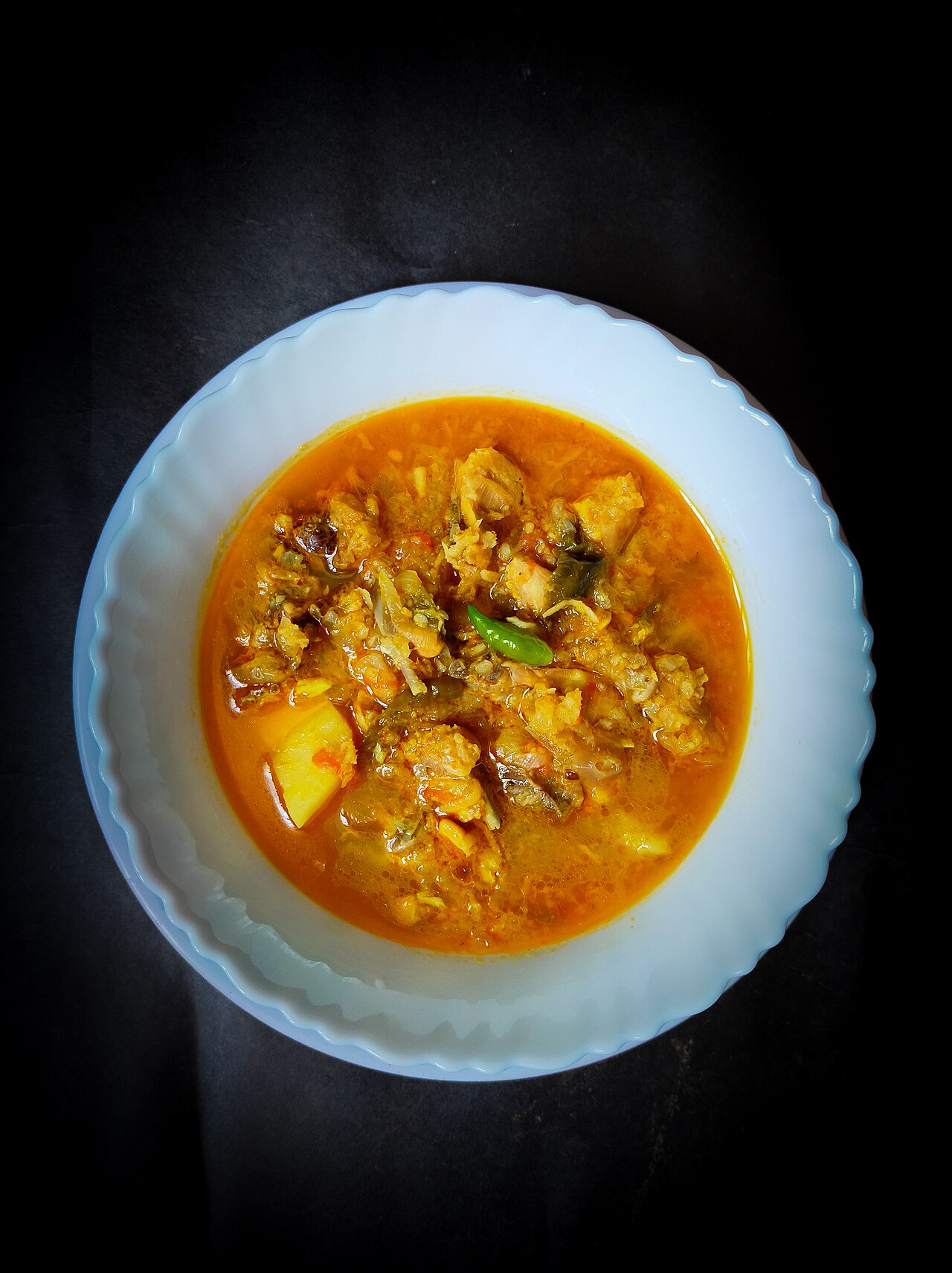
For the pickle, the principle is simple: bamboo shoot is cooked in oil with spices and packed in jars. A project report for small pickle units from NIFTEM (under India’s Ministry of Food Processing Industries) describes washing and slicing the shoots, boiling them for 10–15 minutes to remove bitterness, then frying them with mustard, cumin, carom, salt and king chilli [1]. Home recipes vary from kitchen to kitchen.
What are the bamboo shoot kitchens of the other Northeast states?
Every Northeast state has its own fermented bamboo shoot, each with its own name and method. The World Bamboo Congress review lists more than twenty; these examples all come from it [3].
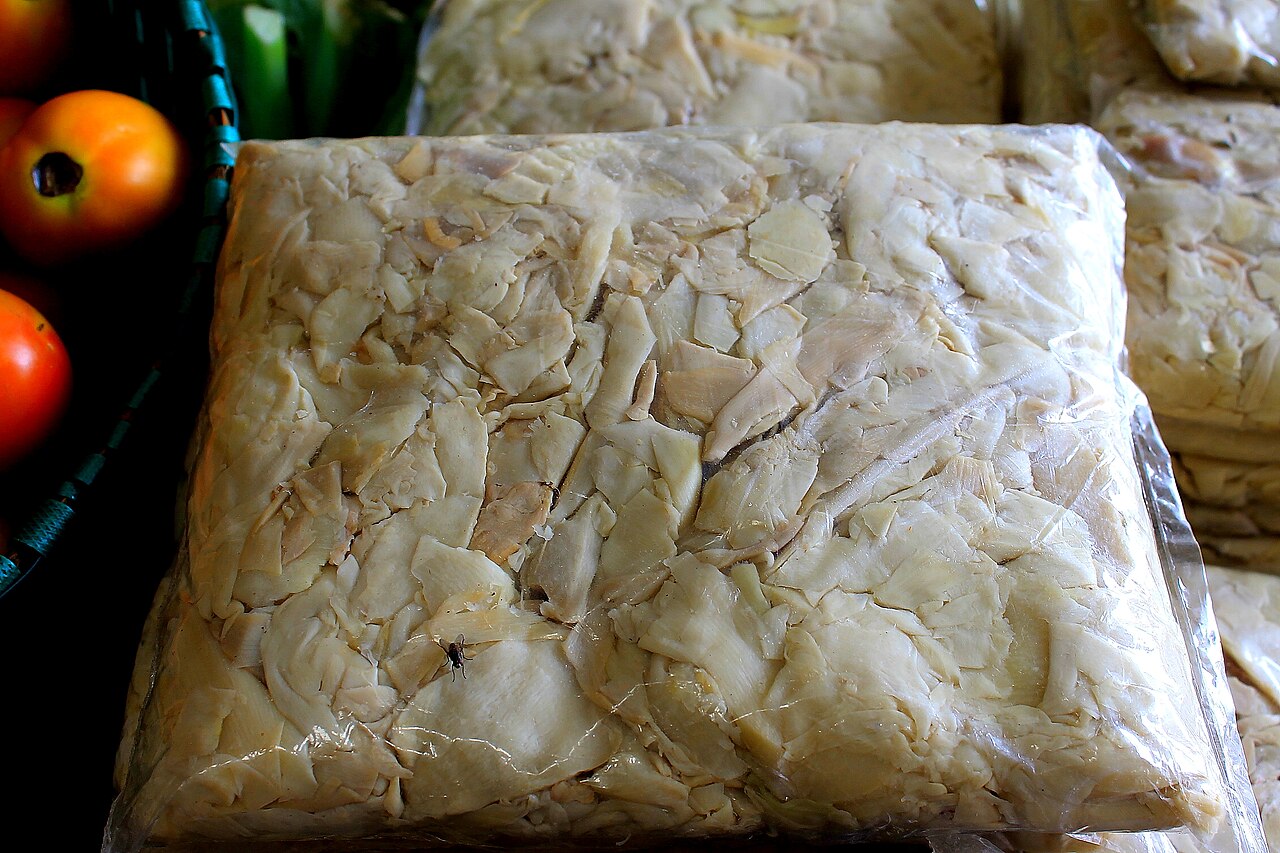
- Manipur: soibum, fermented for 6 to 12 months, and soidon; soibum goes into eromba, a chilli mash. (Read more in our guide to Ningol Chakouba food.)
- Arunachal Pradesh: ekung and hirring, sometimes fermented in a pit near a stream for one to three months.
- Meghalaya: lung-siej, made into a pungent chutney with tungtap (fermented fish).
- Nagaland: bastanga, pressed in a bamboo basket for two to three weeks.
- Sikkim: mesu, fermented without salt inside a bamboo stem for 7 to 15 days.
Is it safe to eat bamboo shoots raw?
No. Fresh bamboo shoots contain a cyanogenic glycoside, a natural compound that can release cyanide, so they must be cooked. The Canadian Food Inspection Agency says the compound breaks down quickly in boiling water; boiling for about 20 minutes removes most of it [6]. If you buy fresh shoots at a market, boil them well before you cook them further.
How should you eat and store bamboo shoot pickle?
Use it as a side, a little at a time. In our homes a spoonful sits next to hot rice and dal, or goes with a paratha on a lazy morning. If your pickle has chilli in it, start with half a teaspoon.
For storage, follow the label on the jar. The old rule in Assamese kitchens is a clean, dry spoon every time and the lid closed tightly.
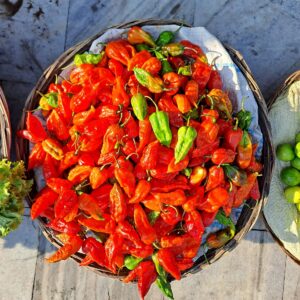
Our Khorisa pickle also carries Assam’s other famous ingredient, bhoot jholokia. Read our guide to bhoot jolokia, the ghost pepper to know what that means for the heat.
Taste it
GHARSA’s Khorisa (Bamboo Shoot) Pickle lists bamboo shoot, mustard oil, bhoot jholokia, salt, yellow mustard, coriander, cumin and fenugreek seeds. It is also part of the Taste of Assam box, with Meetha Bogori and Jolphai. Browse all our Assamese pickles.
Want plain or dried bamboo shoot from us? Join the list on WhatsApp.
Frequently asked questions
What is khorisa in English?
Khorisa is the Assamese name for fermented bamboo shoot. Tender shoots, often of Bambusa balcooa, are grated or sliced and left to ferment until sour. Assamese cooks use khorisa in fish and meat curries, mash it as khorisa tenga, and turn it into pickle with mustard oil and spices.
Why does bamboo shoot pickle smell so strong?
Bamboo shoot pickle smells strong because the shoots are fermented. Bacteria turn the shoots sour and produce pungent aroma compounds. Scientists studying sour bamboo shoots name several of these compounds, and the exact mix changes with the type of bamboo and the fermentation method, so every khorisa smells a little different.
Is bamboo shoot pickle vegetarian?
Usually, but check the label. GHARSA’s Khorisa pickle lists bamboo shoot, mustard oil, bhoot jholokia, salt, yellow mustard, coriander, cumin and fenugreek seeds, so it contains no meat, fish or dairy. Some Northeast recipes combine fermented bamboo shoot with fermented fish, so ask when you buy elsewhere.
Can you eat raw bamboo shoots?
No. Fresh bamboo shoots contain a cyanogenic glycoside, a natural compound that can release cyanide. The Canadian Food Inspection Agency says it breaks down quickly in boiling water and that about 20 minutes of boiling removes most of it. If you buy fresh shoots at a market, boil them well before using them in any recipe.
Image credits
- Bamboo shoot pickles with and without chilli (featured): Chiring chandan, CC BY-SA 4.0, Wikimedia Commons
- Khorisa: Chiring chandan, CC BY-SA 4.0, Wikimedia Commons
- Chicken with bamboo shoot: Gitika Gayan, CC BY-SA 4.0, Wikimedia Commons
- Soibum (u-soi): Goumisao, CC BY-SA 4.0, Wikimedia Commons
Sources
- NIFTEM, Ministry of Food Processing Industries. Detailed Project Report: Bamboo Shoot Pickle Unit (PMFME scheme).
- Badwaik L.S. et al. (2014). Influence of Fermentation on Nutritional Compositions, Antioxidant Activity, Total Phenolic and Microbial Load of Bamboo Shoot. Food Science and Technology Research 20(2): 255–262.
- Santosh O. et al. A review on traditional fermented bamboo shoot and the rich culinary heritage of North East India. World Bamboo Congress XII.
- Long Z. et al. (2023). Dynamic Changes in Flavor and Microbiota in Traditionally Fermented Bamboo Shoots. Foods 12(16): 3035.
- Wikipedia. Assamese cuisine (used as a pointer).
- Canadian Food Inspection Agency. Natural toxins in fresh fruit and vegetables.



[…] soda [5][13]. Soibum thongba is a curry of soibum, fermented bamboo shoot, which is to Manipur what khorisa is to Assam […]