Chak-hao is the scented, slightly sticky black rice of Manipur. To cook it, rinse the grains, soak them for a few hours if you can, then simmer one cup of rice in about two cups of water for 30–45 minutes and let it rest. In Manipur it’s eaten plain at feasts and, most famously, turned into a purple rice kheer called chak-hao amubi. It often closes the meal at Ningol Chakouba, the Manipuri feast for married daughters.
What is chak-hao?
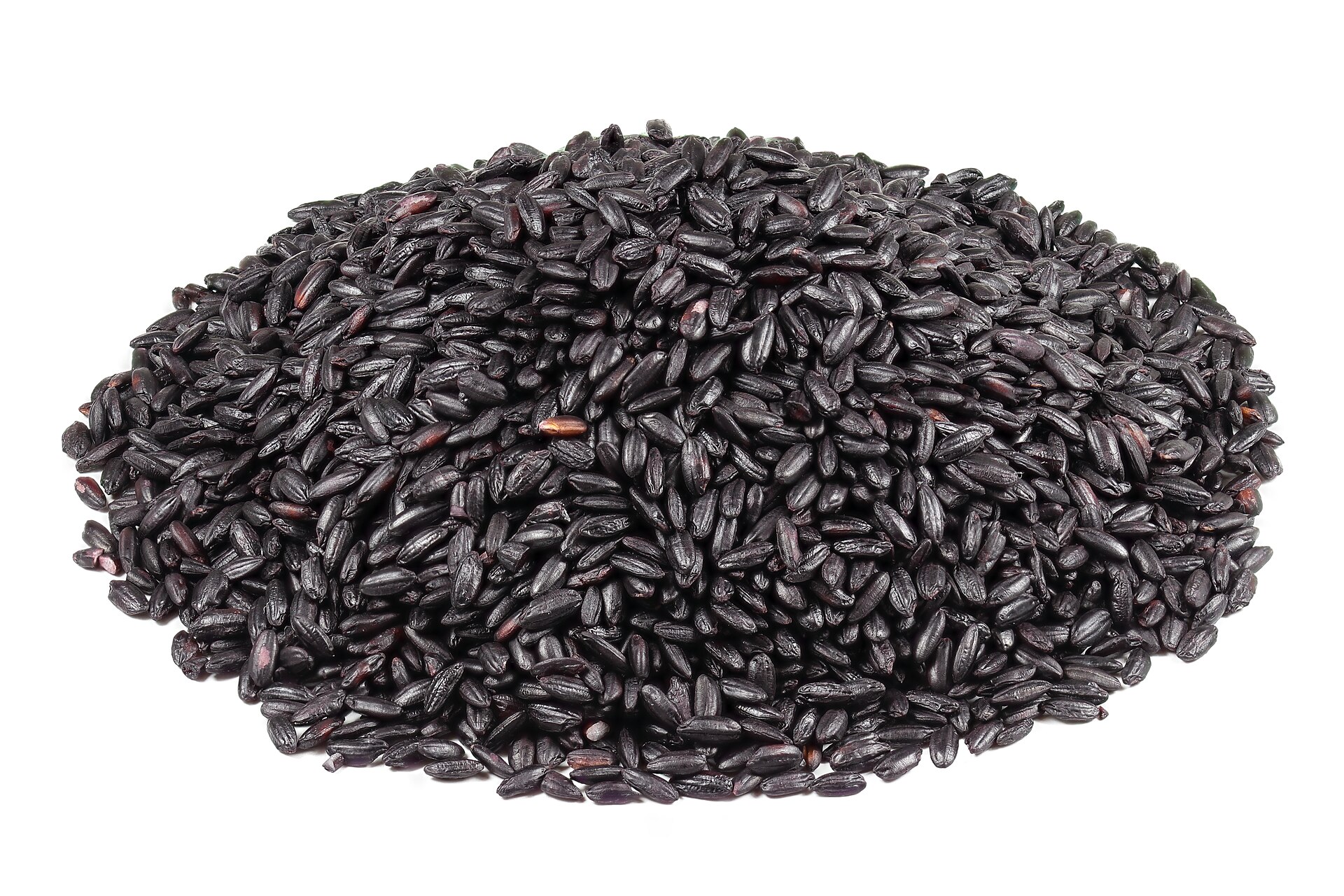
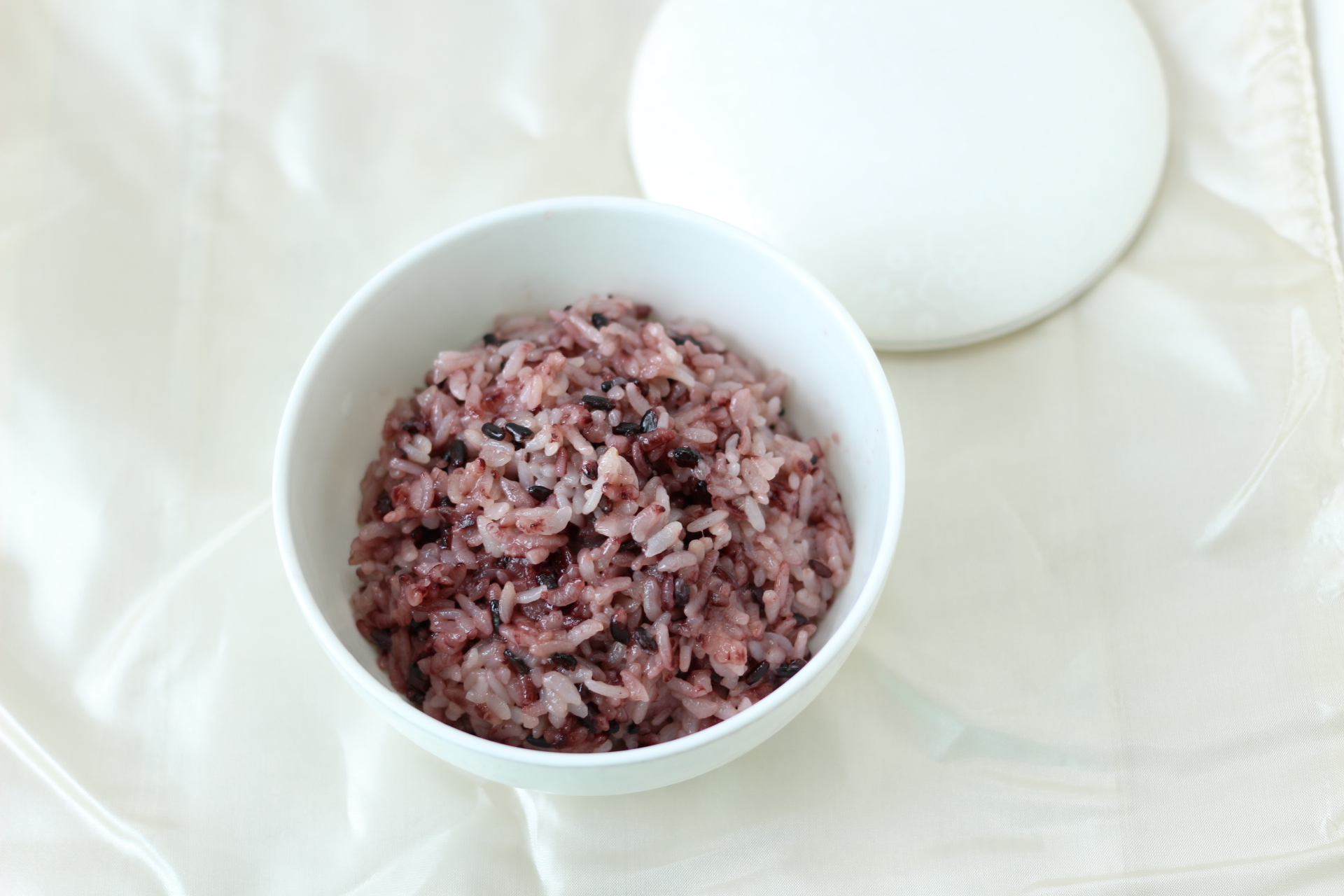
Chak-hao (also written chakhao or chak hao) is a black rice that has been grown in Manipur for centuries [1][2]. In the Meitei language, chak means rice, and the name is usually translated as “delicious rice” [3]. Raw, the grains look almost black; cooked, they turn a deep purple. That colour comes from natural plant pigments called anthocyanins [4].
What makes Manipur’s black rice different from black rice grown elsewhere is its aroma and its stickiness: it is a fragrant, glutinous variety [1][2]. Farmers grow two well-known types, Chak-hao Amubi and Chak-hao Poireiton [1], mostly in the valley districts of Imphal East, Imphal West, Bishnupur and Thoubal, with some cultivation in Nagaland’s Peren district too [3].
In 2020, “Chak-Hao” received a Geographical Indication (GI) tag, which recognises rice grown in this region as a distinct product [3][4].
How chak-hao is eaten in Manipur
Chak-hao was never an everyday rice. It is a rice for occasions: it is served at community feasts, ceremonies and festivities [1][2][4]. Traditionally it was eaten plain, but today the dish most people know is chak-hao amubi, a slow-cooked black rice kheer that turns a beautiful violet as it simmers [4][5].
For people from the Northeast living in Delhi, Bengaluru or Pune, a bowl of chak-hao kheer is one of those tastes that instantly means home.
How to cook black rice (the simple way)
Black rice keeps its outer bran layer, which is why it takes longer to cook than white rice, around 40–45 minutes [3].
- Rinse. Wash 1 cup of rice in cold water until the water runs clearer [6].
- Soak (optional but helpful). Soaking for a few hours softens the grains and shortens cooking time; recipes for chak-hao kheer soak the rice for 3–4 hours [5].
- Simmer. Bring 2 cups of water to a boil, add the rice, cover and simmer on low for 30–45 minutes until the water is absorbed [6].
- Rest. Turn off the heat and leave it covered for 5–10 minutes, then fluff with a fork [6].
Because chak-hao is naturally sticky, the cooked grains cling together. That’s how it’s meant to be.
Chak-hao kheer (chak-hao amubi): a quick recipe
This version follows a widely used home recipe [5] and serves about 6.
- ¾ cup black rice, soaked for 3–4 hours
- 2 litres full-cream milk
- ½ cup sugar
- 1 tsp cardamom powder
- A few cashews fried in ghee, and raisins if you like
- Boil the milk and let it reduce until it turns lightly creamy.
- Add the soaked rice and cook on medium-low heat, stirring often, until the rice is almost done (about 40 minutes).
- Stir in the sugar and cardamom. The kheer looks thin at first but thickens within a few minutes.
- Add the fried cashews and serve hot or chilled [5].
Where to buy chak-hao
In Manipur, chak-hao is sold in local markets across the valley [2]. Outside the Northeast, look for “Manipur black rice” or “chakhao” from Northeast food stores and online grocers, and check that it says it comes from Manipur, since the GI tag covers rice from this region [3].
We don’t sell chak-hao yet. If you’d like us to bring it to you from the Northeast, tell us on WhatsApp; we’re listening.
Looking for more food from the Northeast for the festive season? Read our guide to unique Diwali food gifts from Assam.
Frequently asked questions
Is chak-hao the same as black rice?
Chak-hao is a specific black rice from Manipur. Black rice is grown in many countries, but chak-hao is known for its aroma and sticky texture, and it has its own GI tag.
Do you need to soak black rice before cooking?
It isn’t essential, but soaking for a few hours makes the grains softer and cuts cooking time. Without soaking, plan on 40–45 minutes of simmering.
Why does black rice take so long to cook?
It is a whole grain with its bran layer intact, which is also what gives it its dark colour and chewy bite.
What is chak-hao kheer called in Manipur?
It is called chak-hao amubi: a purple rice pudding made by slow-cooking black rice in milk with sugar and cardamom.
Taste it
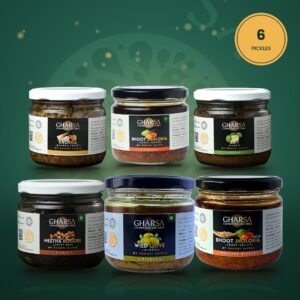
Sticky rice and a spoon of pickle is a Northeast classic. Try a bowl of hot rice with our khorisa (bamboo shoot) or bhoot jolokia pickle, made in small batches in Assam.
Khorisa Pickle → | Taste of Assam box | Want us to stock chak-hao? Join the list on WhatsApp
Image credits
- Featured image: uncooked black rice. Photo: Sanjay Acharya, CC BY-SA 4.0, via Wikimedia Commons.
- Cooked black rice. Photo: Hyeon-Jeong Suk, CC BY 2.0, via Wikimedia Commons.
Sources
- “GI Tagged Agricultural Products of Manipur”, MyGov Blog, Government of India. blog.mygov.in
- “Black rice of Manipur gets GI recognition”, The Assam Tribune. assamtribune.com
- “Chak-Hao black rice”, Wikipedia. en.wikipedia.org
- “Manipur Black Rice gets a GI Tag”, Outlook Traveller, May 2020. outlooktraveller.com
- “Chak Hao Amubi Recipe – Black Rice Pudding”, Archana’s Kitchen. archanaskitchen.com
- “How to Cook Black Rice”, A Healthier Michigan (Blue Cross Blue Shield of Michigan). ahealthiermichigan.org